How Reliable Is the Binance Exchange Listing List? A Comprehensive Review
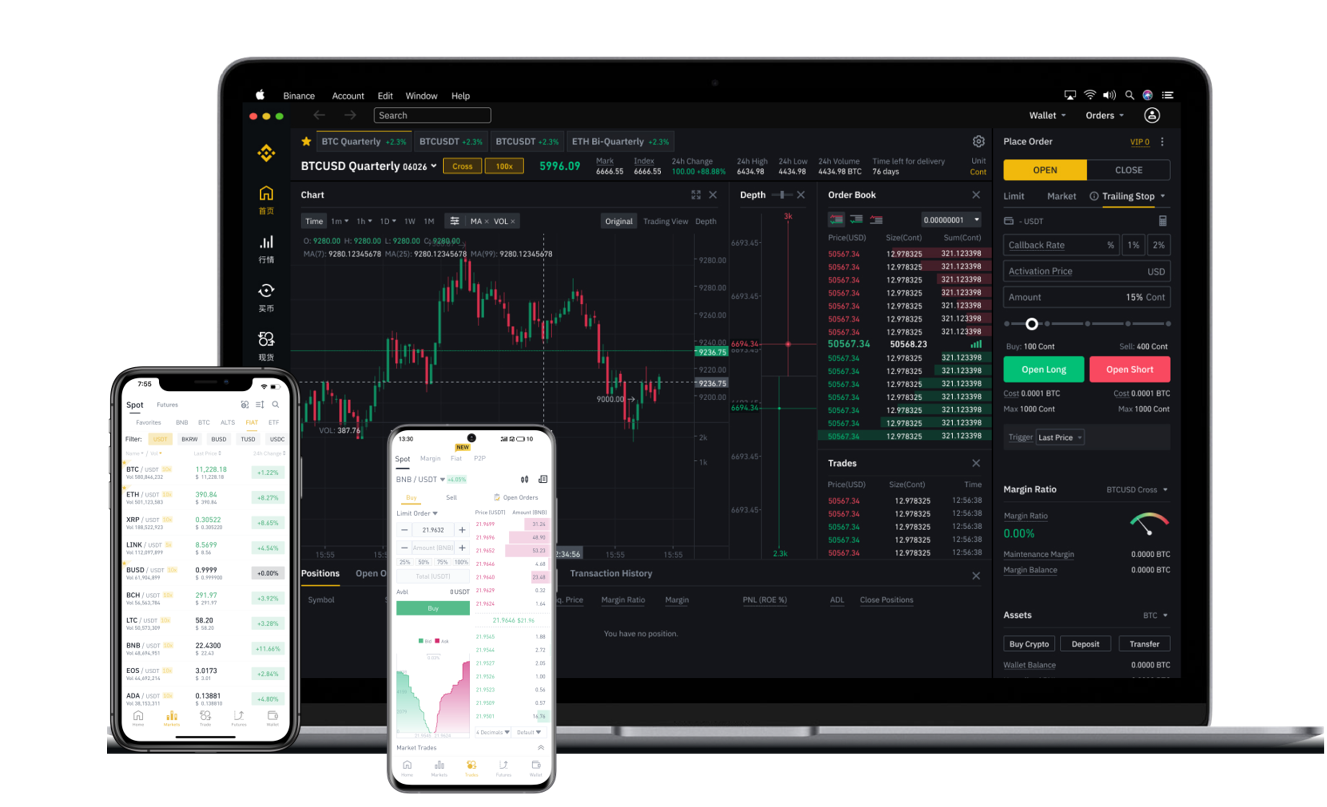
When traders and investors evaluate cryptocurrency platforms, one of the most frequently asked questions is: "How reliable is the Binance exchange listing list?" As the world’s largest crypto exchange by trading volume, Binance plays a significant role in determining which tokens gain visibility, liquidity, and legitimacy. Understanding the quality and credibility of this list is essential for making informed investment decisions.
First, it is important to recognize that Binance operates a multi-tiered listing process. Tokens listed on Binance are generally vetted through rigorous due diligence, including assessments of the project’s team, technology, liquidity, and legal compliance. However, not all listed tokens perform equally. Some are highly vetted assets like Bitcoin and Ethereum, while others are newer or more speculative projects that may carry higher risk. Therefore, the "Binance exchange list" is not a uniform guarantee of quality but rather a spectrum of opportunities and risks.
Historically, being listed on Binance has often led to a significant price increase shortly after the announcement—a phenomenon known as the "Binance effect." This price surge is driven by increased exposure, trading volume, and the confidence that Binance’s screening process provides. However, investors should be cautious: many tokens that experience an initial pump eventually decline in value as early buyers take profits. Thus, relying solely on the Binance listing list as a signal to buy is not a sustainable strategy.
Furthermore, Binance has updated its listing policies over time to address market manipulation and transparency concerns. For example, Binance now requires projects to pay a listing fee and undergo a more transparent application process. The exchange also implements strict monitoring for market making and trading volume integrity. These measures improve the overall reliability of the list by filtering out projects with poor fundamentals or suspicious practices.
Additionally, Binance regularly conducts reviews and delists tokens that no longer meet its standards. A token being on the Binance listing list today does not guarantee it will remain there tomorrow. Delistings typically occur when a project fails to communicate updates, experiences low trading volume, or is involved in unethical activities. This ongoing maintenance adds another layer of reliability to the exchange’s listings.
Despite these safeguards, no listing list is entirely free from risk. Market sentiment, regulatory changes, and project-specific issues can affect any token’s performance. Investors should use the Binance exchange list as one of several research tools rather than a definitive buy indicator. Complementing it with on-chain data, team background checks, and community engagement analysis can lead to more informed decisions.
In conclusion, the Binance exchange listing list is generally reliable but not infallible. It offers a curated selection of tokens that have passed a professional review process, but due diligence remains the responsibility of the individual investor. For those looking to navigate the crypto market, understanding both the strengths and limitations of the Binance listing list is a vital step toward smarter trading and investment.