Luna USDC Price Analysis: Key Insights on Terra Classic Stablecoin Trading
The relationship between Luna (Terra Classic) and USDC has become a focal point for crypto traders seeking stability and volatility in equal measure. While USDC is a fully reserved, regulated stablecoin pegged to the U.S. dollar, Luna serves as the native token of the Terra Classic blockchain. Understanding how these two assets interact is crucial for anyone trading on decentralized exchanges or monitoring liquidity pools.
USDC, issued by Circle, maintains its 1:1 dollar peg through rigorous audits and transparent reserves. It is widely used across Ethereum, Solana, and other networks. In contrast, Luna Classic (LUNC) operates on a separate blockchain that previously relied on an algorithmic stablecoin mechanism. After the Terra ecosystem collapse in 2022, the chain rebranded as Terra Classic, and its token dynamics shifted significantly.
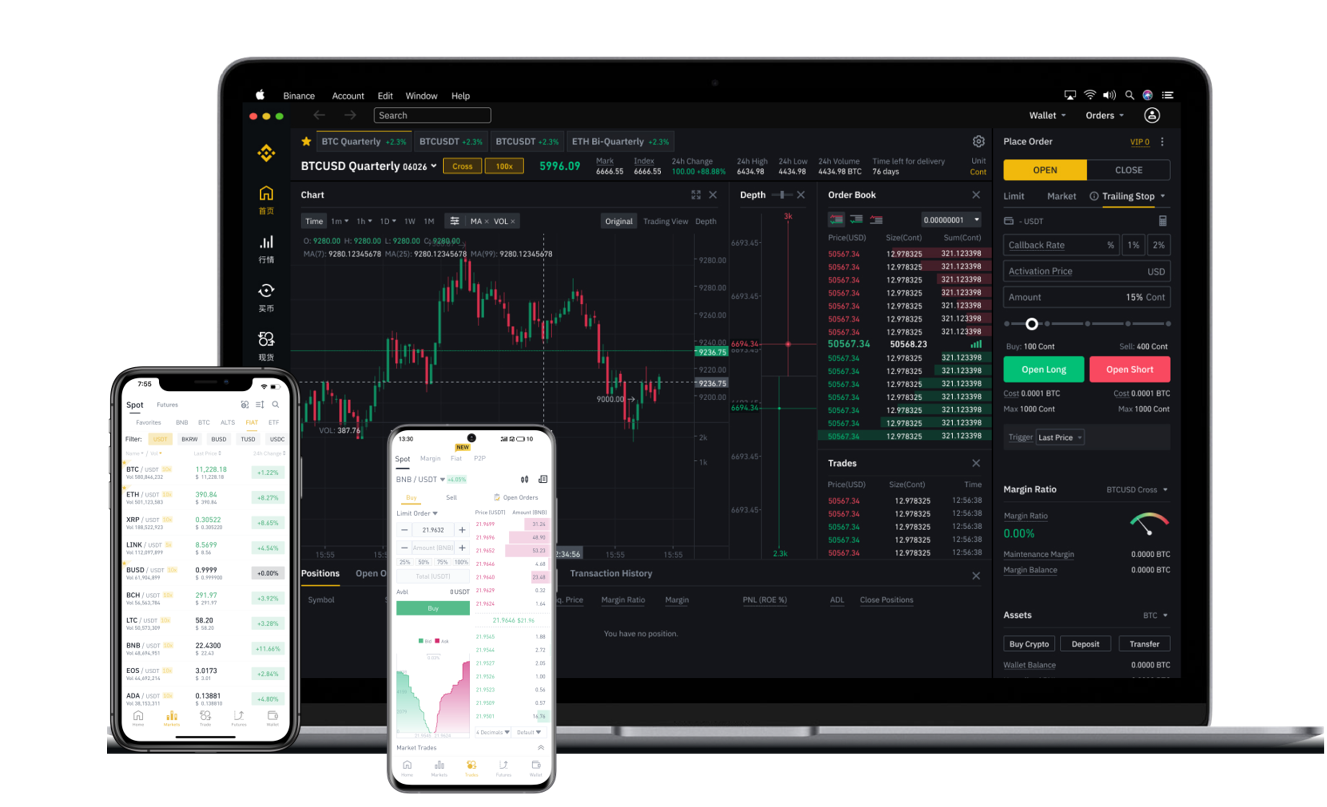
When traders pair Luna with USDC, they typically engage in swap transactions on platforms like Uniswap, PancakeSwap, or centralized exchanges such as Binance. The Luna/USDC trading pair reflects real-time market sentiment toward the Terra Classic project. Price volatility in LUNC often stems from community burn mechanisms, exchange listings, and broader crypto market trends. USDC, meanwhile, provides a stable base currency for these trades.
One key metric to watch is the liquidity depth of the Luna/USDC pool. Thin liquidity can lead to significant slippage during large orders, impacting profitability for swing traders. Additionally, the correlation between Luna price movements and USDC supply changes can offer insights. For instance, when USDC minting increases, it often signals fresh capital entering the crypto system, which may boost trading volumes for volatile assets like Luna.
Risk management remains paramount when trading Luna against USDC. While USDC offers a safe harbor from price swings, the Luna side carries inherent risks, including smart contract vulnerabilities, governance changes on the Terra Classic chain, and potential delistings. Always use limit orders and monitor on-chain data for sudden whale movements that could destabilize the pair.
In summary, the Luna USDC trading pair provides a window into the health of the Terra Classic ecosystem while leveraging the reliability of a fiat-backed stablecoin. By tracking exchange order books, burn rates, and macroeconomic signals, traders can make more informed decisions. Whether you are a long-term holder or a day trader, understanding this pair’s dynamics is essential for navigating the current crypto landscape.