How to Operate on Small Binance Exchange: A Step-by-Step Guide for New Users

If you have heard the term "Small Binance Exchange," you are likely referring to a smaller, alternative cryptocurrency exchange that attempts to replicate the interface and functionality of the world’s largest crypto platform, Binance. These exchanges are often used by traders looking for lower fees, niche altcoins, or easier access in regions where the main Binance platform is restricted. Understanding how to operate on such an exchange is crucial for both safety and profitability.
First, the registration process on a small Binance-style exchange typically begins with creating an account. You will need to provide an email address and a strong password. Unlike some decentralized platforms, these exchanges often require basic Know Your Customer (KYC) verification, such as providing a government-issued ID or a passport photo. While this step may seem tedious, it is necessary to comply with anti-money laundering regulations and to enable higher withdrawal limits.
Once your account is verified, the next step is funding it. Most small Binance-like exchanges accept deposits in major cryptocurrencies such as Bitcoin (BTC), Ethereum (ETH), or Tether (USDT). Many also support direct fiat currency deposits via bank transfer or credit card, though this feature varies by region. To deposit, navigate to the "Wallet" or "Assets" section of the exchange, select "Deposit," and choose your preferred currency. The platform will provide you with a deposit address or a QR code. Be extremely careful when copying this address, as sending funds to the wrong address can result in permanent loss.
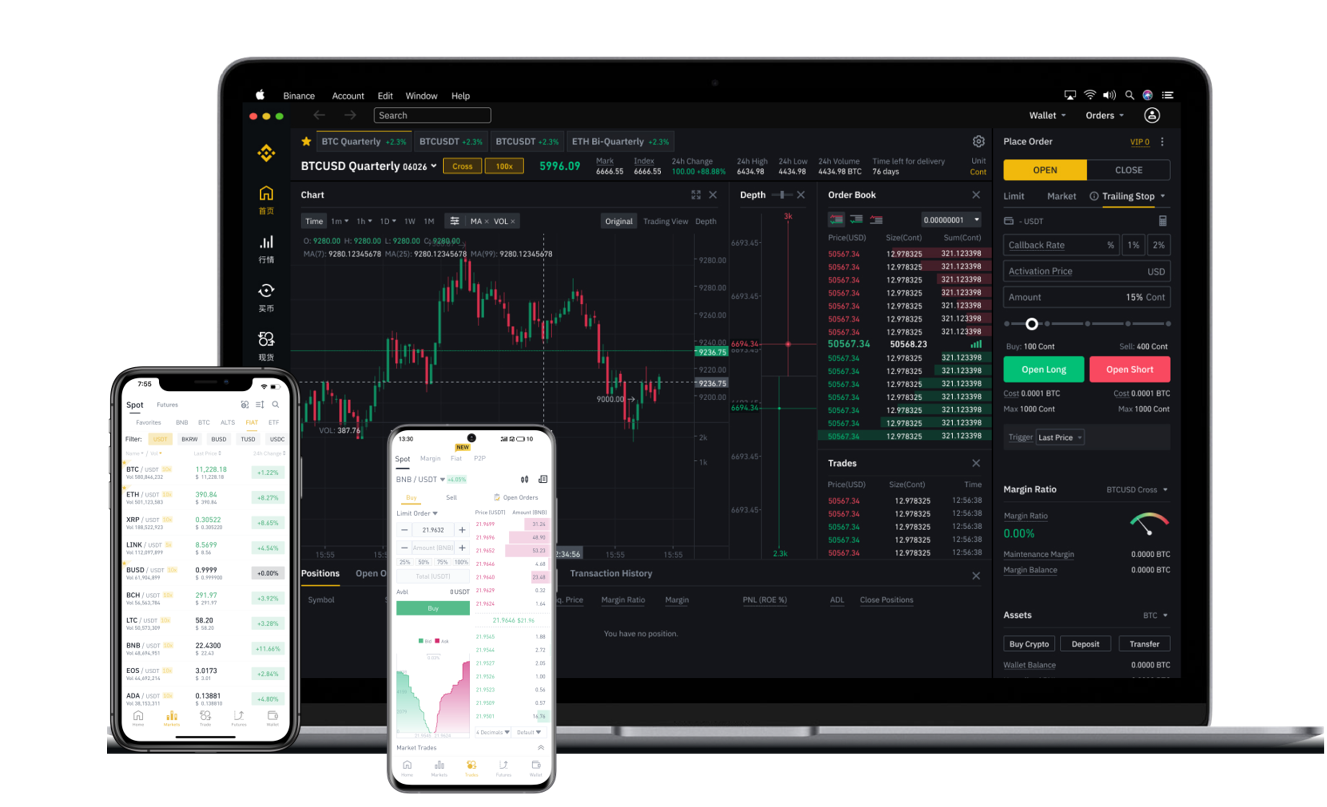
After your funds are deposited, you can start trading. The trading interface on a small Binance exchange is usually modeled after the original Binance spot trading screen. On the left side, you will typically find a list of trading pairs (e.g., BTC/USDT, ETH/BTC). In the center, you have the price chart, often powered by TradingView. Below the chart is the order book, which shows live buy and sell orders. The right side of the screen contains the trading panel, where you can choose between a "Limit Order" (buy or sell at a specific price) or a "Market Order" (execute immediately at the current market price). For beginners, a market order is the simplest way to trade, though limit orders can help you get a better price if you are patient.
Security is a primary concern on smaller exchanges. Since these platforms are less regulated than major ones like Coinbase or Kraken, they can be more vulnerable to hacks or scams. Therefore, it is highly recommended to enable two-factor authentication (2FA) immediately after registration. Use an authenticator app like Google Authenticator rather than SMS-based 2FA, as SMS can be intercepted. Additionally, avoid keeping large amounts of funds on the exchange for extended periods. Instead, withdraw your assets to a private wallet, such as a hardware wallet (e.g., Ledger or Trezor) or a secure software wallet.
Another vital operation is understanding the withdrawal process. When you want to move your funds off the exchange, go to the "Withdraw" section. You will need to enter the recipient's wallet address and the amount. Double-check the network fee (e.g., ERC-20 for Ethereum, BEP-20 for Binance Smart Chain assets) as using the wrong network can result in lost funds. Many small exchanges will send a confirmation email or require a 2FA code to approve the withdrawal. Be patient; withdrawals can take anywhere from a few minutes to several hours depending on network congestion and the exchange's processing speed.
Finally, always do your own research (DYOR) about the reputation of the small Binance exchange you plan to use. Check online reviews, community forums like Reddit or Telegram, and resources like CoinGecko or CoinMarketCap to see if the exchange has a history of security breaches or frozen withdrawals. Stick to exchanges that have a transparent team, active community support, and a proven track record.
In summary, operating on a small Binance-style exchange involves careful registration, secure funding, intuitive trading through limit or market orders, strong security practices, and cautious withdrawal management. While these platforms can offer unique advantages, they also carry higher risks. By following the steps outlined above, you can navigate these exchanges more safely and efficiently.